
Flatbed vs. Wheel-Lift Towing: Which is Right for Your Vehicle?
Dolooma Towing Team
28 Oct 2024
5 min read
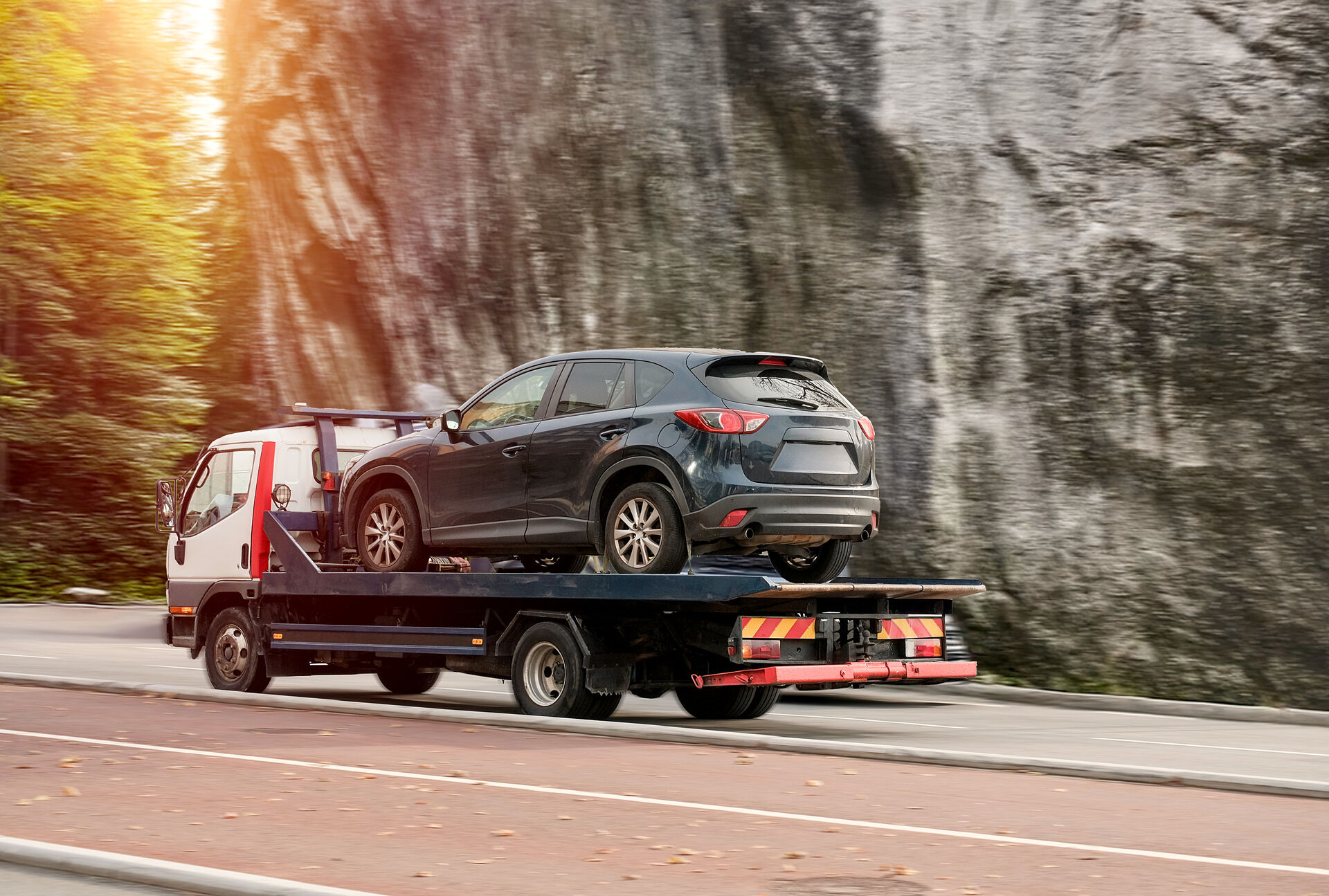
When you need a tow, the method used matters more than you might think. The wrong towing method can cause serious damage to your vehicle's transmission, drivetrain, or body. Let's break down the two most common methods.
What is Flatbed Towing?
Flatbed towing uses a truck with a flat, hydraulic bed that tilts and slides to ground level. Your entire vehicle is loaded onto the bed and secured with straps.
Advantages of Flatbed Towing:
- All four wheels off the ground
- No stress on the drivetrain
- Safest for most modern vehicles
- Works for all vehicle types
- No additional mileage on your odometer
- Better for long-distance tows
Best For:
- All-wheel drive (AWD) vehicles
- Four-wheel drive (4WD) vehicles
- Luxury and sports cars
- Low-clearance vehicles
- Damaged vehicles (accidents, mechanical failure)
- Motorcycles
What is Wheel-Lift Towing?
Wheel-lift towing uses a metal yoke that lifts either the front or rear wheels off the ground while the other set remains on the road.
Advantages of Wheel-Lift Towing:
- Faster hookup time
- Works in tight spaces
- More economical for short distances
- Good for parking lot moves
Best For:
- Front-wheel drive vehicles (short distances)
- Rear-wheel drive vehicles (short distances)
- Parking lot relocations
- When flatbed isn't available
Why Flatbed is Usually Safer
Protects the Drivetrain
When wheels turn while the vehicle is towed, it can:
- Damage automatic transmissions
- Wear out differentials
- Stress CV joints and axles
With flatbed towing, nothing moves.
Works for All-Wheel Drive
AWD and 4WD vehicles are particularly sensitive to improper towing. Even a short wheel-lift tow can cause thousands in damage. Flatbed eliminates this risk.
No Road Hazards
With all wheels off the ground, your vehicle is protected from:
- Potholes and road debris
- Uneven surfaces
- Additional wear and tear
Better for Damaged Vehicles
If your vehicle was in an accident or has mechanical damage, flatbed keeps it stable and prevents further harm.
When Wheel-Lift is Acceptable
Wheel-lift towing can work in certain situations:
- Short distances – parking lot moves, driveway to street
- Two-wheel drive vehicles – FWD (lift front) or RWD (lift rear)
- Manual transmission – can be towed in neutral (check owner's manual)
- When specified by manufacturer – some vehicles allow it
Important: Always check your owner's manual for towing recommendations specific to your vehicle.
What About Dolly Towing?
A tow dolly lifts just the front wheels while the rear wheels roll. This is:
- Acceptable for front-wheel drive vehicles
- NOT recommended for AWD, 4WD, or RWD vehicles
- Commonly used for recreational towing (RVs pulling cars)
What Does Dolooma Towing Use?
At Dolooma Towing, we primarily use flatbed tow trucks because:
- They're safer for almost every vehicle type
- They protect expensive modern drivetrains
- They work for all situations – accidents, breakdowns, relocations
- They give peace of mind to our customers
For heavy-duty towing needs like semi-trucks and commercial vehicles, we have specialized equipment designed for those applications.
Questions to Ask Your Towing Company
When calling for a tow, ask:
- "What type of truck will you send?"
- "Is flatbed towing available?"
- "Do you have experience with my vehicle type?"
- "Will you use wheel-lift or flatbed?"
A professional company should be happy to answer these questions and use the appropriate method for your vehicle.
The Bottom Line
When in doubt, choose flatbed towing. It's the safest method for virtually every vehicle and eliminates the risk of towing-related damage. The small extra cost is worth the peace of mind.
Triangle Area Flatbed Towing
Dolooma Towing provides professional flatbed towing services throughout Raleigh, Durham, Chapel Hill, and the entire Triangle area. Our fleet includes modern flatbed trucks suitable for everything from compact cars to box trucks.
Need a safe tow? Call 1-877-47-PULSE – available 24/7.