
Heavy-Duty Towing: What You Need to Know About Big Rigs
Dolooma Towing Team
01 Oct 2024
6 min read
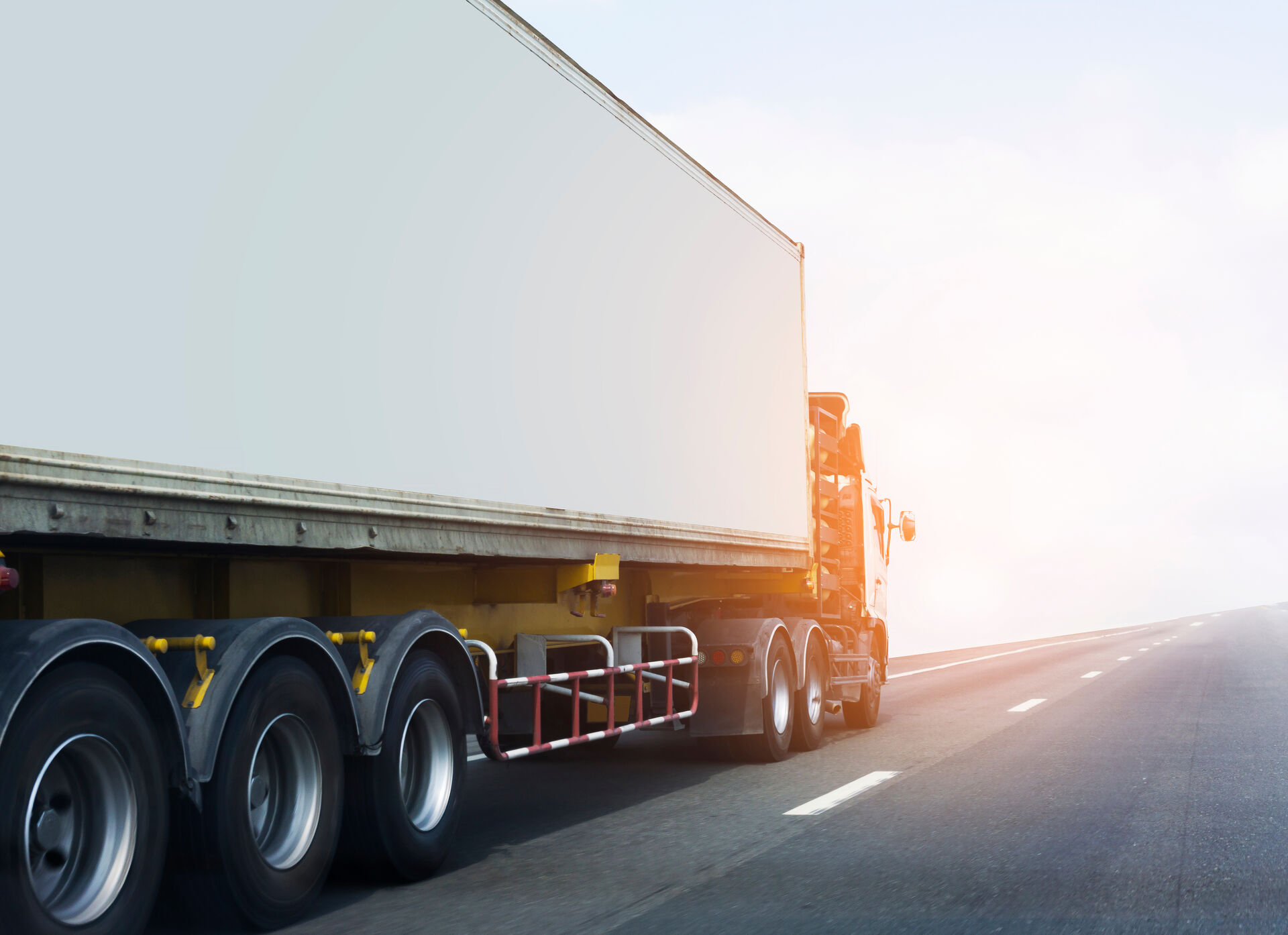
When a semi-truck breaks down or is in an accident, it takes more than a standard tow truck to handle the situation. Heavy-duty towing requires specialized equipment, training, and experience.
What is Heavy-Duty Towing?
Heavy-duty towing involves vehicles over 26,000 pounds GVWR, including:
- Semi-trucks and tractors
- Full trailers (flatbed, reefer, tanker)
- Buses and motorcoaches
- Large RVs and motorhomes
- Construction equipment
- Farm equipment
Why Regular Tow Trucks Can't Handle Heavy Equipment
Weight Capacity
Standard tow trucks can handle 10,000-20,000 pounds. A loaded semi can weigh 80,000 pounds or more.
Equipment Differences
Heavy-duty recovery requires:
- Rotator wreckers with 50+ ton capacity
- Air cushion recovery systems
- Specialized rigging and chains
- Multiple units for complex recoveries
Training Requirements
Heavy-duty operators need additional training in:
- Load distribution and balance
- Multi-unit coordination
- Cargo handling and securing
- Hazmat awareness
Common Heavy-Duty Towing Situations
Mechanical Breakdowns
- Engine failure
- Transmission problems
- Electrical issues
- Air brake system failures
- Tire blowouts
Accidents and Rollovers
Recovering an overturned semi requires careful planning to:
- Protect the cargo
- Prevent environmental damage (fuel spills)
- Clear the roadway safely
- Document for insurance
Off-Road Recovery
Trucks stuck in mud, ditches, or off-road require winch-out services and sometimes multiple pieces of equipment.
What to Expect During Heavy-Duty Towing
Assessment
We first evaluate:
- Vehicle weight and dimensions
- Load type and condition
- Terrain and accessibility
- Safety concerns
Equipment Selection
Based on assessment, we deploy appropriate equipment. Complex recoveries may require multiple trucks.
Recovery Process
- Secure the area and manage traffic
- Stabilize the vehicle
- Execute the recovery
- Load and secure for transport
Documentation
We provide thorough documentation for insurance claims and records.
Heavy-Duty Towing Costs
Heavy-duty towing costs more than standard towing due to:
- Specialized equipment required
- Additional personnel often needed
- Longer time for complex recoveries
- Higher insurance and operating costs
For commercial operators, the cost of towing is typically far less than the cost of downtime.
Dolooma Towing Heavy-Duty Services
We provide semi-truck towing and heavy equipment services throughout the Triangle:
- 24/7 emergency response
- Experienced heavy-duty operators
- Modern recovery equipment
- Load shifting and cargo protection
- Coordination with law enforcement and DOT
Heavy equipment down? Call 1-877-47-PULSE for professional heavy-duty towing.